Reframe Impact
Thinks Differently
Most climate programs stop at awareness.
We start with impact.
Reframe Impact offers tailored workshops
for your needs
Workshops, trainings, and campaigns about sustainability have never been more common. But here’s the problem: they rarely change anything.A 2023 study by the UN Environment Programme found that while 72% of corporate leaders acknowledge the climate crisis, only 23% feel confident in their teams’ ability to translate sustainability goals into operational strategy.The gap isn’t knowledge—it’s transformation.
It’s the failure to connect abstract ideas to real decisions.
Reframe Impact has a different approach.
It’s a workshop built around what people do, not just what they hear. Using the globally recognized 2tonnes simulation, participants map a realistic 30-year path to net-zero—making trade-offs, navigating uncertainty, and seeing how their choices ripple out from local to global levels.This isn’t another lecture or compliance box to check.
It’s a practice ground for the climate future—one built on collaboration, systems thinking, and action.
For Businesses & Corporations
Reframe Impact is the approach that brings climate transition risk and opportunity into sharp focus for your teams.
Rather than compliance-heavy training or abstract ESG messaging, this experience makes climate action concrete and strategic—equipping staff to think critically about investment, policy, and behavior in the context of long-term global impact. It’s a tool for internal alignment, smarter decision-making, and future-ready thinking.


For International Organisations
Reframe Impact is the experience that helps globally distributed teams align around a shared climate vision.
Instead of surface-level workshops or fragmented initiatives, it creates a space for cross-border teams to make decisions together—sparking collective insight, stronger engagement, and clearer communication about climate action across cultures and departments.
For International Schools
& Higher Education
Reframe Impact is the learning journey that turns climate education into student-led, systems-aware action.
Instead of passive learning or vague calls to “do better,” students take charge of the transition, seeing the complexity—and the possibility—of real-world climate decisions. It brings sustainability into the classroom, while also building leadership, collaboration, and critical thinking skills.

Reframe Impact offers workshops that
generate real impacts
Most climate workshops fall into common traps.
Reframe Impact touches on data, systemic thinking, and agency.
Traditional Climate Workshops
One-way presentations that tell participants what to think
Overloaded with facts, acronyms, and passive learning
Often framed around guilt, fear, or moral responsibility
Generic content that’s disconnected from real-world roles or decisions
Short-term inspiration, long-term inaction
Reframe Impact Workshops
Interactive simulations where participants discover the impact of their own decisions
Data-driven but experiential—learning through action, not information overload
Framed around agency and systems thinking, helping people see where they can drive change
Tailored for business, policy, or education—participants work through trade-offs they actually face in their domains
Lasting mindset shifts through collaborative strategy-building and reflection
About The Workshop
Reframe Impact delivers the internationally recognised 2tonnes climate workshop, a participatory, data-driven experience that helps participants understand and design a credible path to carbon neutrality by 2050. It is built to turn abstract climate goals into actionable insight—through a mix of simulation, collaboration, and facilitated reflection.
The Experience
2-3 hours/ 6-15 Participants
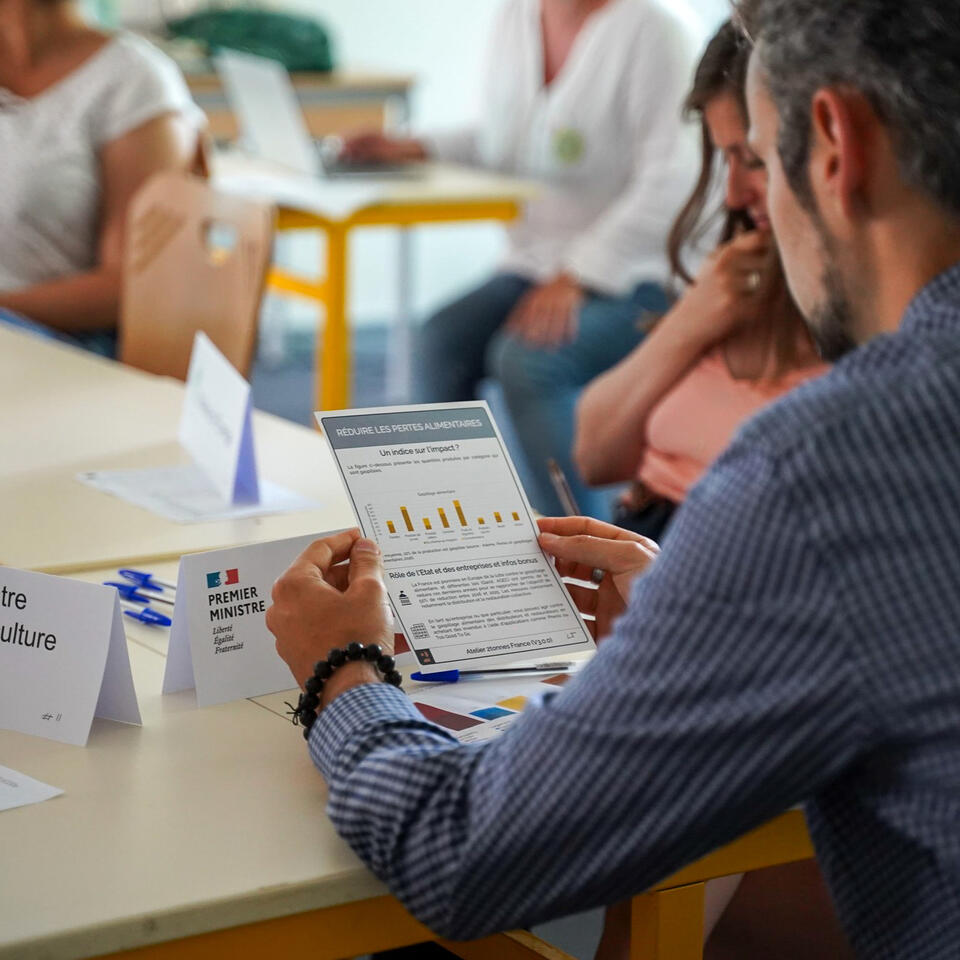
Participants start by calculating their actual carbon footprint based on real lifestyle data. They then enter a 30-year simulation, making decisions across 8 interactive rounds, each focused on a key transition sector. In every round, they face individual and group choices about where and how to act to reduce emissions.
Decision Making (Individual + Collective)
The workshop alternates between:
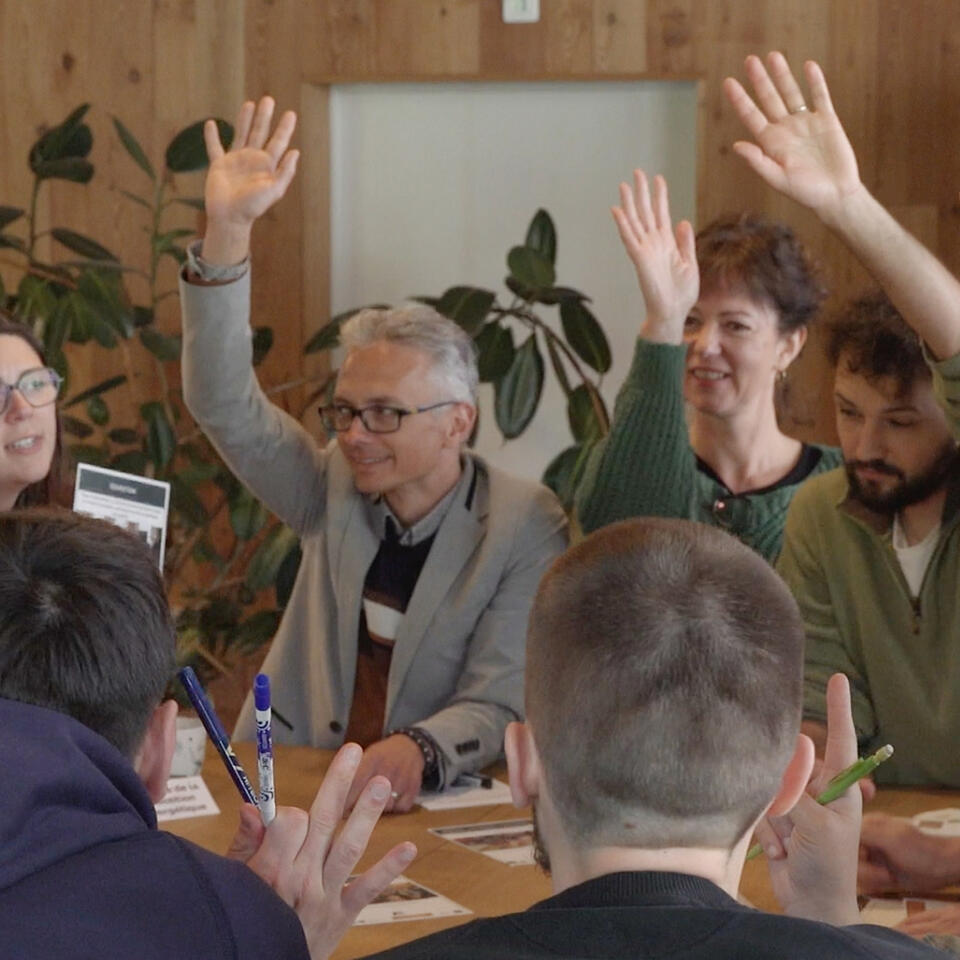
Individual rounds, focused on the impact of personal lifestyle changes.
Collective rounds, where participants act as key stakeholders making national or global decisions.
This format highlights:
The tension between personal and systemic action.
The challenge of stakeholder coordination.
Trade-offs between short-term actions and long-term goals.
Measurable Impact
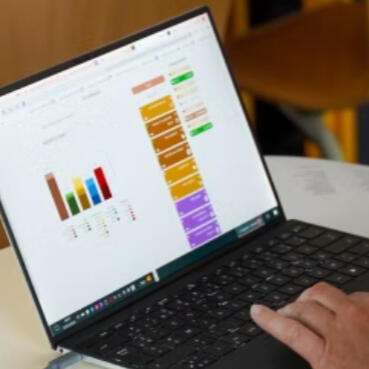
After each round, participants receive instant feedback on the carbon impact of their choices, both individually and as a group. By the end of the session, they can clearly see:
Which actions had the greatest effect?
What trade-offs were made?
Whether their chosen path aligns with the +1.5°C target of the Paris Agreement.
This is not just a workshop—it’s a decision-making lab, an opportunity to explore the future and come away with a clearer sense of personal and collective agency in the climate transition.
The Outcome?
Internal alignment around climate priorities
More confident, empowered decision-makers
A shift from “What should we do?” to “Here’s how we start.
“It was the first time I saw climate action as a strategic choice, not just an ethical one.” – Corporate participant
© reframe impact. All rights reserved.